
August 14, 2025
Acumen
As we approach Fall 2025, the landscape for international student enrollment from South Asia has grown more challenging and unpredictable. Recent U.S. policy and enforcement changes have introduced significant friction into the F-1 visa process, directly impacting application volume, visa approval rates, and overall student sentiment. This white paper summarizes the key policy shifts, their downstream effects, and offers a strategic outlook for enrollment leaders at top U.S. institutions.
Our analysis of recent data and market sentiment reveals four key points:
- Heightened Digital Scrutiny: All F-1 visa applicants are subject to a new level of scrutiny regarding the social media identifiers they have long been required to list on the DS-160 form. This has led to an unprecedented halt in interviews and significant delays, creating uncertainty for prospective students and their families.
- Worrying Enrollment Funnel Impact: Visa rejection rates have risen, and the total number of visas issued to students from India has fallen to a three-year low. Some industry experts project a potential 20-70% drop in Indian student enrollment for Fall 2025. (NAFSA June 2025, Times of India July 18, 2025)
- The Power of Pre-Emptive Support: Students and their families are now actively seeking more support to navigate the process. Data from our mock interview service shows that proactive engagement and focused preparation can significantly increase a student’s chance of visa approval, even in a challenging environment.
- Leveraging Data for Success: A data-driven approach to student support, from initial contact to visa interview prep, is critical to overcoming the current challenges and maximizing enrollment yield.
The Policy Shifts: What Happened in Mid-2025
The F-1 visa process has undergone a series of significant changes that are now reshaping international student recruitment.
Intensified Digital Screening Creates Bottlenecks
In mid-June 2025, U.S. embassies and consulates temporarily paused most F-1 visa interviews to implement a new, more rigorous digital screening process. This unprecedented move applies a new level of scrutiny to the social media identifiers that have been required on the DS-160 form for some time. The intensified review has created a bottleneck in the application process, leading to widespread appointment delays and mounting student anxiety.
Proposed Rule to Limit Visa Durations
The Department of Homeland Security (DHS) is considering a new rule that would replace the existing “duration of status” policy with a fixed end date for F, J, and I visas. If enacted, this change would require students to apply for regular extensions, introducing additional administrative burden, cost, and uncertainty about completing their education in the U.S. without interruption. This is of particular concern for Indian students, who represent the largest demographic of international students in the U.S.
Increased Application Costs
Starting in 2026, a new, non-refundable $250 Visa Integrity Fee will be added to non-immigrant visas. While this won’t impact Fall 2025 enrollment, it represents an additional financial barrier that institutions should be aware of for future recruitment cycles.
Impact on Enrollment: The South Asia Ripple Effect
These policy changes are not just administrative hurdles; they are having a material impact on enrollment management, particularly for students from South Asia.
- Elevated Student Anxiety and Delays: The temporary interview pause and scarcity of available slots have created immense stress for students and their families. Many students are at risk of missing university deadlines and may be forced to defer their admission, potentially leading to a sharp decline in enrollment.
- Rising Rejection Rates: We have observed a noticeable increase in visa rejections, with many attributed to students’ inability to demonstrate strong ties to their home country. The new digital scrutiny intensifies the need for applicants to present a coherent narrative and compelling evidence of their post-graduation plans.
- Projected Enrollment Decline: Official data shows that the number of F-1 visas issued to Indian students from March to May 2025 is the lowest in three years. Experts are projecting a potential 20-70% decline in Indian student enrollment for the upcoming fall semester, which could have a significant financial impact on institutions that rely on international tuition revenue.
Navigating the Challenges: Our Solution for Institutions
In this uniquely challenging visa season, a proactive, data-driven approach is essential to support students and protect your enrollment goals. Our in-house services are designed to address these new hurdles head-on.
Visa Readiness Assessment: A Proven Strategy
Reports from the broader market indicate a significant surge in visa denial rates, with some sources citing rejection rates as high as 70-80%. In this environment, our Visa Readiness Assessment is delivering strong results.
Key Highlights of Our Impact:
- Above-Market Success: For the January 2025 Enrollment 90% of students who achieved a satisfactory assessment from our team secured their visa. For the current fall cycle which is far more challenging, our tentative success rates already stand well above those being reported in the broader market, demonstrating the effectiveness of our tailored preparation.
- Proactive Engagement: We conducted hundreds of sessions this cycle, students are very engaged with over 80% of identified I-20 holders signing up for appointments
- Importance of Follow-Up: More than half (56%) of our applicants required multiple mock sessions. This reinforces the critical importance of follow-up sessions to ensure students are fully prepared and confident.
The Insight Funnel: A Data-Driven Approach
Our success is built on a robust, data-driven approach that ensures we understand and address every aspect of the applicant’s journey.
- Data Collection: We capture a complete picture of each applicant’s journey, from mock session performance and visa booking status to final outcomes. Crucially, we have added real visa interview questions from both successful and rejected applicants, helping us to quickly identify trends and fine-tune our coaching.
- Strategic Analysis: We analyze this data to identify patterns by university, applicant profile, and mock round history. This detailed analysis helps us pinpoint where targeted coaching or earlier engagement can have the biggest impact on success rates.
- Actionable Recommendations: We provide our partners with tailored recommendations, such as creating profiles of students most likely to secure a visa and then targeting the recruitment of those students in the early stages.
In an unprecedentedly tough visa season, our Visa Readiness Assessment is proving to be an invaluable resource. By combining extensive preparation with a data-driven approach, we are committed to maximizing visa approval rates and helping more students achieve their dreams of studying in the U.S.
Interested in learning how Acumen can help your institution improve visa success rates for your next cohort and beyond?
We invite you to schedule a meeting with us to discuss your institution’s specific needs and how our services can provide a competitive advantage.
Or contact the team directly:
Anthony Guarnaccia anthony.guarnaccia@sannams4.com
Audrey DuHaime audreyduhaime@sannams4.com
Share
Recent Posts
Acumen at NACAC 2026: Driving Value in International Admissions
October 6, 2026
Shift from Volume to Value As over 6,500 admissions leaders gather in Minneapolis for NACAC 2026 (8–10 October), higher education faces a critical...
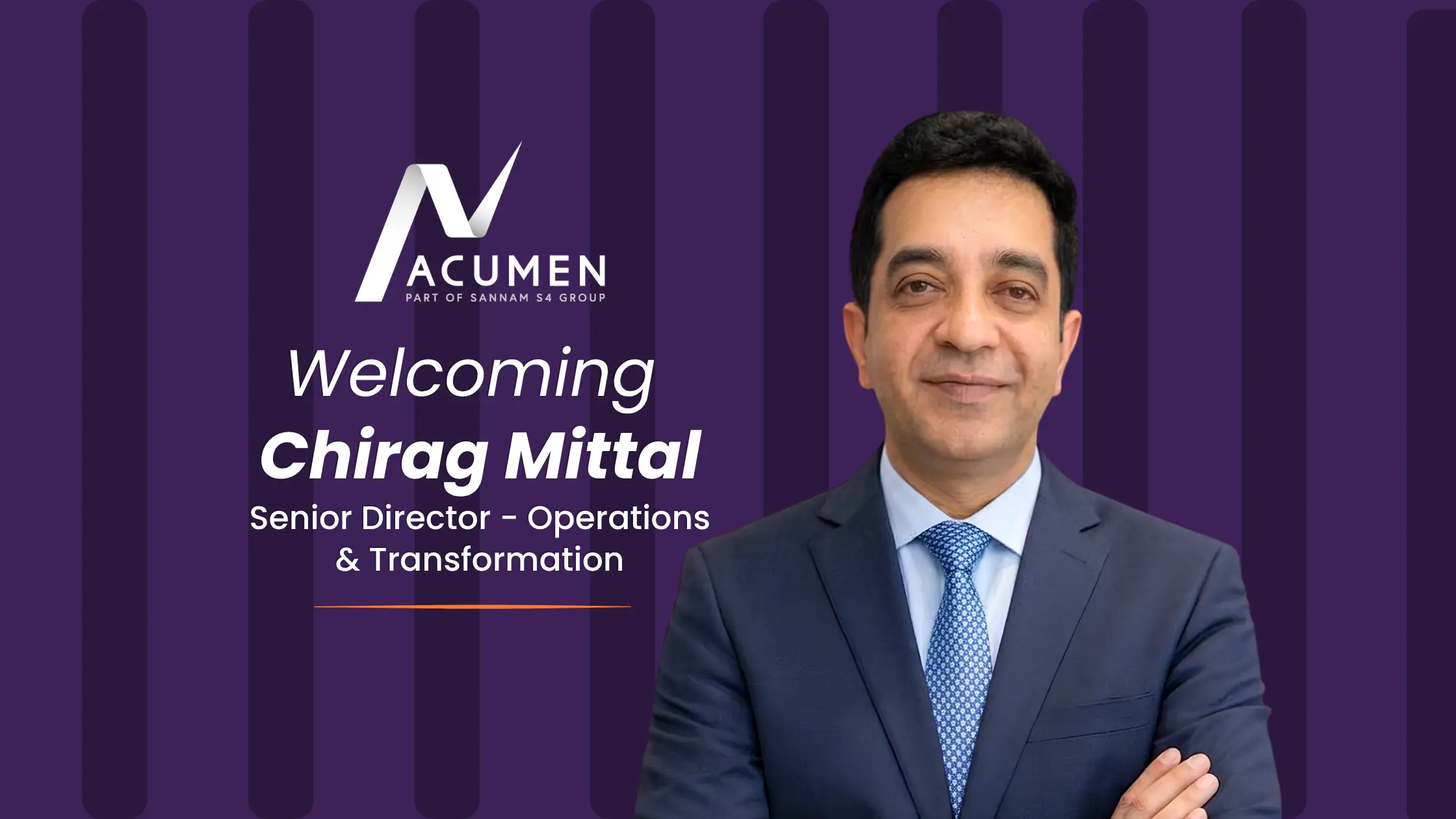
Acumen appoints Chirag Mittal as Senior Director – Operations & Transformation
September 30, 2026
We are delighted to welcome Chirag Mittal to Acumen as Senior Director – Operations & Transformation, based in New Delhi and working across...
From mobility shock to strategy-led TNE
September 16, 2026
A recurring theme in my recent conversations on international education has been the growing friction in traditional student mobility. I increasingly think the...